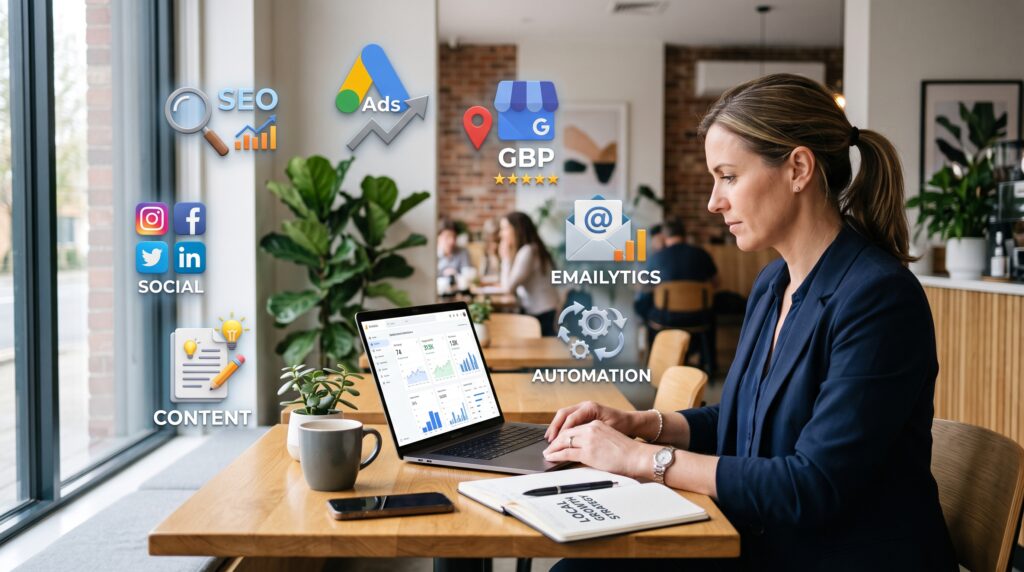

If you run a local store, clinic, service-based business, or startup, showing up when customers search “near me” or look at Google Maps can be the difference between a steady stream of leads and lost opportunities. This beginner-friendly guide explains local SEO for small business owners in clear, actionable steps. You’ll learn how to set up Google Business Profile, choose the right local keywords, collect reviews, build citations, and optimize your website so nearby customers can find and contact you.
What is local SEO, and why does it matter
Local SEO focuses on helping businesses appear in search results for geographically related queries. This includes organic results, the local pack (Google Maps listings near the top of search results), and Google Maps itself. For many small businesses—plumbers, dentists, restaurants, real estate agents, and retail stores—local search drives highly qualified customers who are ready to buy or book.
Think of local SEO as the modern equivalent of being listed in the yellow pages—except it’s searchable, trackable, and highly targeted. When done well, local SEO improves visibility, drives phone calls and foot traffic, and increases conversions from nearby customers.
Google Business Profile (GBP): Your most important local asset
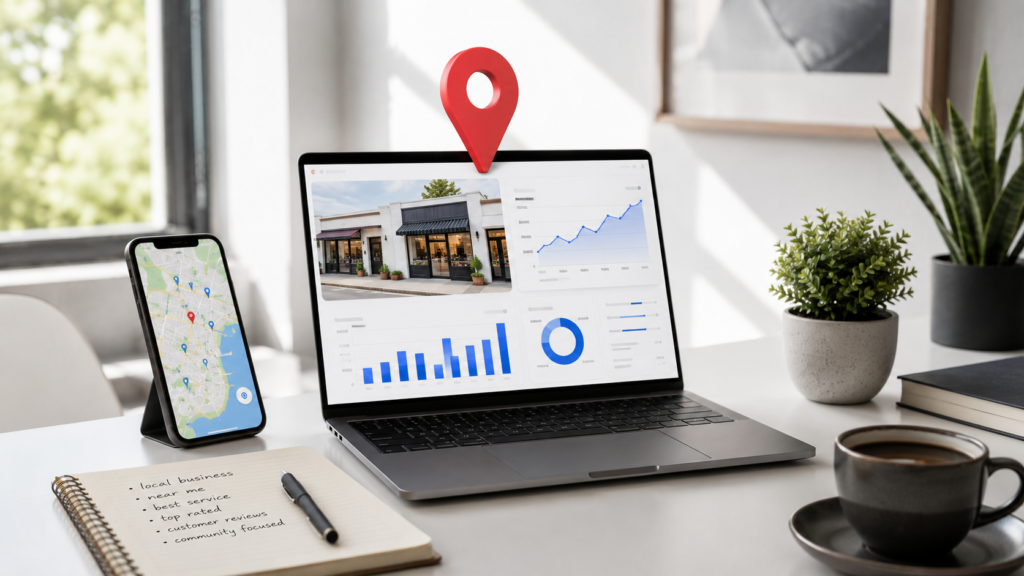
Google Business Profile (GBP) is the single most important tool for local SEO. It controls what appears on Google Maps and the local pack. Follow these steps to optimize it:
- Create and claim your GBP listing: Verify ownership using the verification method Google offers (postcard, phone, or email). Only verified listings can fully control the information.
- Complete every field: Business name, address, phone number, website, hours, services, and business category. The more complete, the better.
- Choose the right primary and secondary categories: Categories tell Google what you do—choose the most specific primary category and sensible secondary categories.
- Use high-quality photos: Add exterior shots, interior photos, staff pictures, and service images. Listings with photos get more clicks.
- Write a clear business description: Use natural language and include terms customers actually use when searching.
- Keep hours and special hours up to date: Accurate hours reduce frustration and negative experiences.
Local keywords: find terms people actually search
Local keyword research helps you target phrases people use when they’re looking for services in a specific area. Use a mix of terms:
- Geo-modified keywords: “HVAC repair Boston”, “dental clinic near me”
- Near-me queries: “hair salon near me”
- Service + location combinations: “emergency plumber 90210”
Practical approach:
- Start with your services and locations (city, neighborhood, neighborhood landmarks).
- Use Google search suggestions, Google Maps, and free keyword tools to expand the list.
- Prioritize keywords based on relevance and intent—someone searching “best sushi near me” likely has high purchase intent.
On-page local SEO: optimize pages for local intent
Your website should make it obvious what you do and where you do it. On-page local SEO means optimizing content, meta elements, and structured information to help search engines associate your site with specific locations.
- Title tags and headings: Include location and service where natural—e.g., “Emergency Electrician in Denver | 24/7 Service”.
- Contact information (NAP): Display Name, Address, and Phone consistently on the site—usually in the header or footer, and a dedicated contact page.
- Schema markup: Add LocalBusiness schema to help search engines understand your business details (business type, address, geo-coordinates, opening hours).
- Localized content: Build pages that speak to local audiences—blog posts about local events, neighborhood projects, or case studies with local customers.
- Mobile-friendly pages: Most local searches occur on mobile—ensure fast load times and easy calling or directions.
Location pages and service area pages
If your business has multiple locations or serves multiple neighborhoods, create dedicated location pages and service area pages:
- Location pages: One page per physical store or office with unique content, hours, a local phone number, and directions. Include staff bios and photos where possible.
- Service area pages: If you serve customers across a region without a storefront, create pages for each service area that explain the services available in that area and local testimonials.
- Avoid duplicate content: Make each page unique by including specific local information, reviews, and project examples.
Reviews and reputation: build trust and local rankings
Online reviews influence both customer decisions and local search rankings. Google treats reviews as a signal of relevance and quality.
- Ask for reviews: Politely request reviews after a completed job—via email, SMS, or a follow-up call. Make it simple with a direct link to your GBP review form.
- Respond to reviews: Reply to both positive and negative reviews professionally and promptly. This demonstrates excellent customer care and can improve local ranking.
- Use reviews in marketing: Highlight positive reviews on your website and social profiles to build credibility.
Citations and NAP consistency
Citations are mentions of your business name, address, and phone number on other websites—directories, local chamber pages, review sites, and data aggregators. Consistent NAP (Name, Address, Phone) is essential.
- Audit your listings: Use a spreadsheet to track where your business is listed. Correct inconsistencies in spelling, abbreviations, or phone formats.
- Prioritize high-value directories: Google Business Profile, Bing Places, Yelp, Facebook, and industry-specific directories.
- Structured data providers: Consider submitting data to major local data aggregators so directories pick up accurate information.
Local backlinks and community signals
Backlinks from reputable local websites signal authority. For local SEO, focus on relevant, community-based links rather than generic link-building tactics.
- Local partnerships: Sponsor a local event, partner with a charity, or join your local chamber of commerce and request a link from their site.
- Local press and blogs: Pitch stories about your business to neighborhood blogs or local news outlets.
- Supplier and partner links: Ask vendors and business partners to include links to your site on their resource pages.
Tracking, tools, and ongoing maintenance
Local SEO is an ongoing process. Use data to guide decisions and prioritize high-impact tasks.
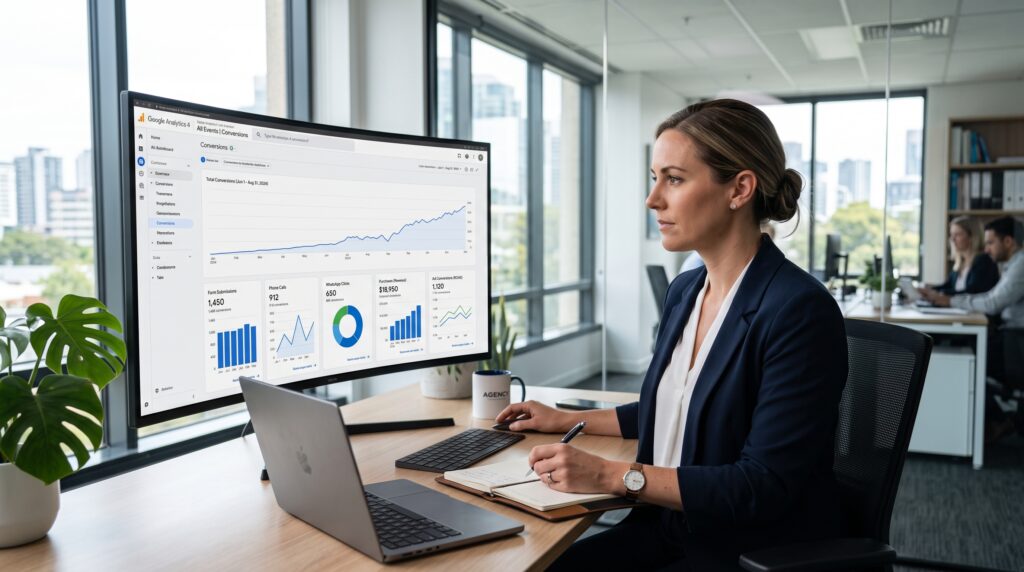
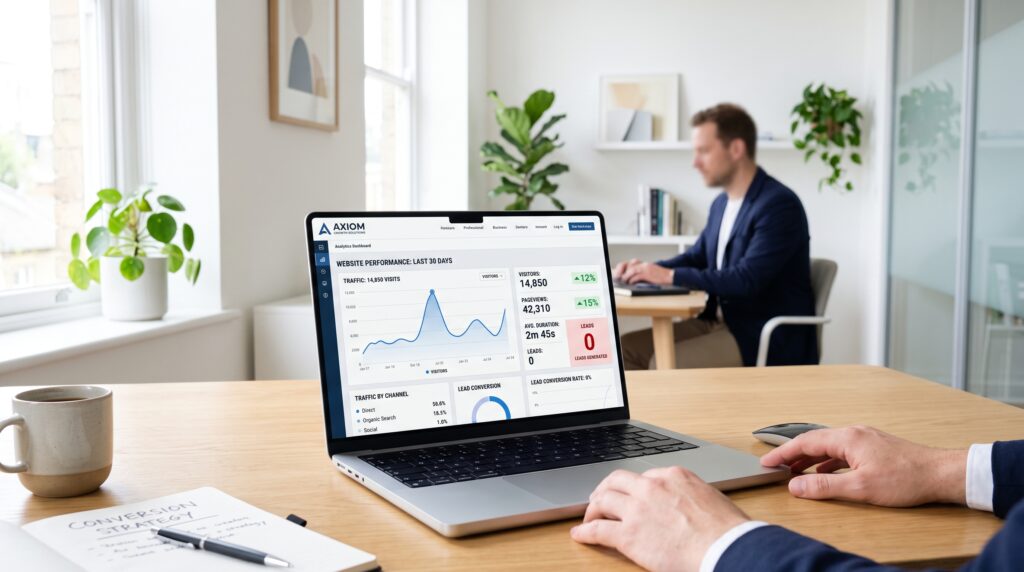
- Key metrics to track: GBP views, clicks for driving directions, phone calls, website sessions from local pages, and conversions (form submissions, bookings).
- Tools to use: Google Business Profile dashboard, Google Search Console, Google Analytics, and local SEO tools for rank tracking and citation audits.
- Regular tasks: Update GBP posts, refresh photos quarterly, request recent reviews, and add localized content to your site monthly.
Common local SEO mistakes to avoid
- Inconsistent NAP: Small differences in your name, address, or phone across sites harm rankings.
- Keyword stuffing: Don’t cram location keywords unnaturally into descriptions or pages.
- Duplicate content for location pages: Each page must have unique value.
- Ignoring reviews: Not responding to reviews or allowing fake reviews to persist can erode trust.
Actionable 30-60-90 day local SEO checklist
Here’s a simple plan to get started quickly.
- Days 1–30: Claim and verify GBP, audit and fix NAP inconsistencies, create or improve the contact page, and run basic keyword research for your area.
- Days 31–60: Build or optimize location/service area pages with unique content, add LocalBusiness schema, and request reviews from recent customers.
- Days 61–90: Start local outreach for backlinks, publish localized blog content, optimize mobile experience, and track results in Google Analytics and GBP insights.
Conclusion and next steps
Local SEO for small businesses is a powerful, cost-effective way to reach nearby customers who are ready to buy. By optimizing your Google Business Profile, using local keywords, encouraging reviews, maintaining consistent citations, and creating targeted location pages, you’ll improve visibility on Google Maps and in local search results.
If you want expert help, AM Digitalz specializes in local SEO services for small businesses, clinics, real estate agents, and service providers. We can audit your current presence, optimize your GBP and website, manage review generation, and build local citations and backlinks so you get found by customers in your area. Contact AM Digitalz to get a tailored local SEO plan that fits your budget and goals.
Start today: Claim your Google Business Profile, check NAP consistency, and publish one local page that speaks directly to customers in your neighborhood.